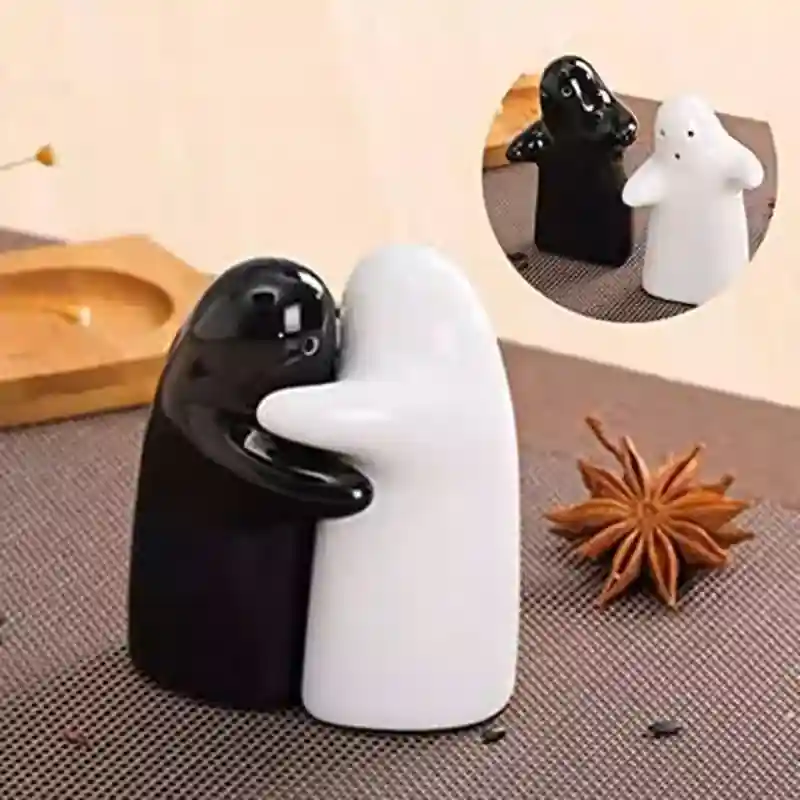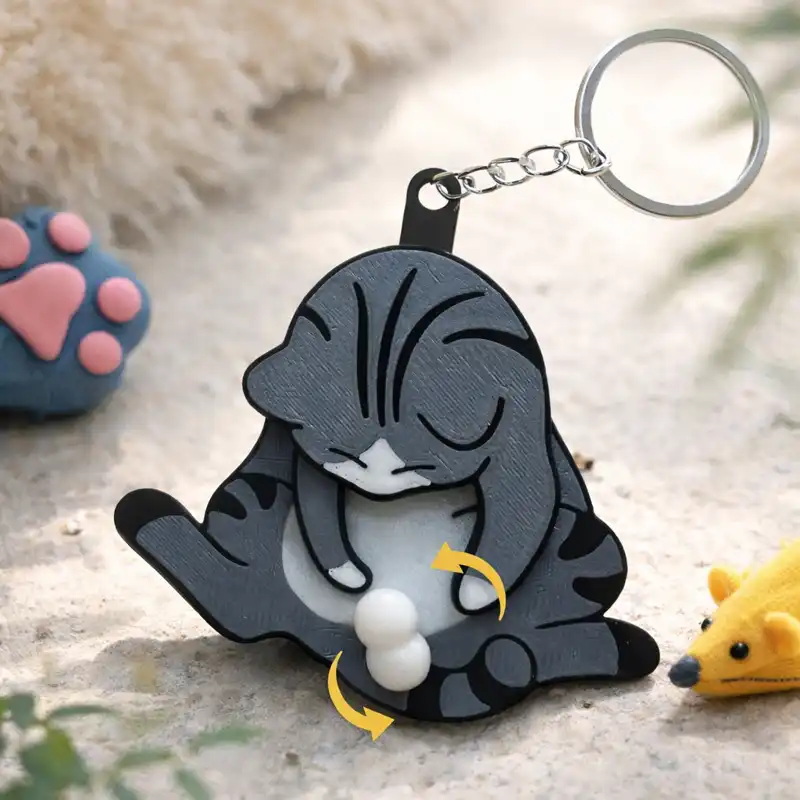

You’re walking through a flea market when something catches your eye. It’s not beautiful. It isn’t useful. It may not even make much sense. But you stop anyway.
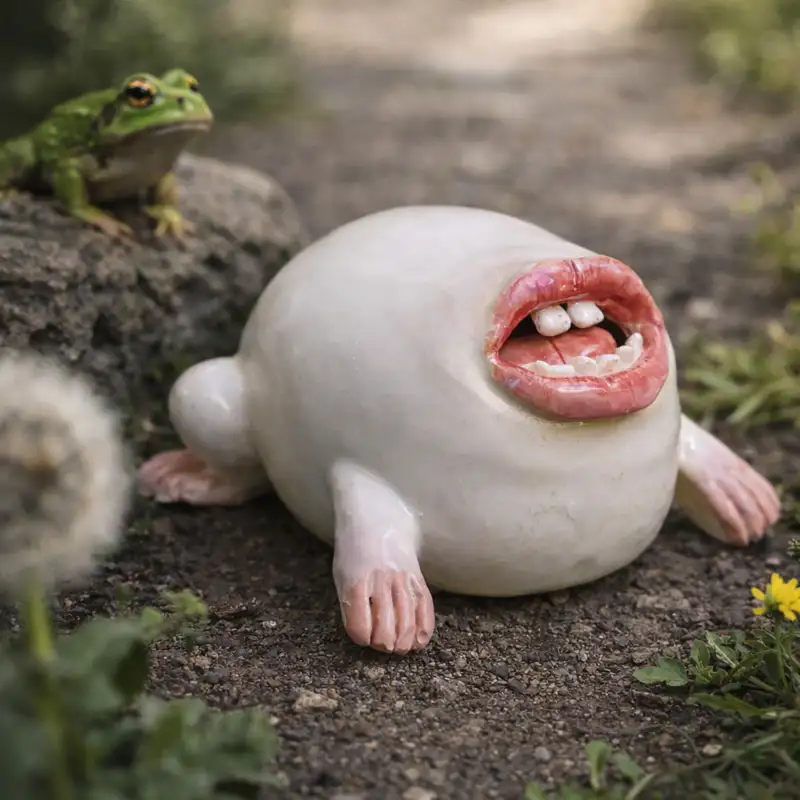
Maybe it’s a lamp shaped like a severed hand. Maybe it’s a ceramic cat with human teeth. Maybe it’s just an ordinary object placed where it has no business being. Your feet pause, your head turns, and for a second the rest of the market fades into the background.
Why did you look at it?
That tiny interruption—the moment something strange breaks through what you expected to see—is where our fascination with weird things begins. We don’t simply notice unusual objects. We search for them, photograph them, share them, collect them, and sometimes surround ourselves with them. The interesting question isn’t whether weirdness attracts us. It’s why.
Why Do Weird Things Grab Our Attention?
A normal cup sits on a shelf and disappears into the background. A cup shaped like a human foot does not. A standard house blends into a street. An upside-down house makes people stop and stare.
Part of the reason is simple: weird things break patterns. Most of what we see every day is predictable, and that predictability allows ordinary objects to fade into the background. When something suddenly looks different from what we expected, our attention has a reason to return to it.
Novelty and surprise are powerful precisely because they interrupt that comfortable flow. A strange object doesn’t have to be beautiful or useful to attract attention. It only needs to be different enough to make us wonder why it is there.
That is why a giant pink rabbit outside an otherwise ordinary restaurant can attract more attention than the restaurant’s carefully designed sign. The rabbit isn’t necessarily better. It simply refuses to behave like background scenery.
Weirdness often begins with difference rather than beauty.
Our Brains Notice What Doesn’t Belong
The Power of Expectation
We move through familiar environments with a huge number of assumptions already in place. We know roughly what belongs in a kitchen, what a bedroom should look like, and what we are likely to find in a supermarket. Most of the time, those expectations are useful because they let us process familiar surroundings without examining every detail.
Then something doesn’t fit.
Imagine walking past a row of ordinary storefronts and suddenly seeing a full-size bathtub sitting in the middle of a forest clearing. Or picture a bed placed in the center aisle of a supermarket. The bathtub and the bed are not inherently strange objects; the setting makes them strange.

The mismatch creates a small question that the ordinary object never needed to create: Why is that there?
That question is enough to pull attention toward the object. Instead of passing it without a second thought, we start examining the situation, looking for an explanation.
This is one of the simplest ways to understand why weird things grab our attention. They interrupt what we expected to see.
Why Does “What Is That?” Feel So Good?
There is a particular pleasure in seeing something you cannot immediately explain. You recognize enough of it to know that it is familiar in some way, but not enough to understand exactly what you are looking at. That small gap between recognition and understanding gives curiosity somewhere to work.
Psychologist George Loewenstein famously described curiosity in terms of a perceived gap in knowledge. Once we become aware of something we want to know but don’t yet know, the missing information itself can become motivating. In everyday life, this can be as simple as seeing a bizarre object and wanting to figure out what it is.
A normal chair gives you an answer almost immediately: it is a chair. A chair shaped like a lobster gives you several questions instead. Why is it shaped like that? Who made it? Is it comfortable? Is it supposed to be funny? Would anyone actually buy one?
The object has stopped being merely an object. It has become a small puzzle.
That is part of the appeal of strange things. The mystery doesn’t have to be important. It only has to be interesting enough to make you want to close the gap.
Sometimes you find the answer. Sometimes the answer is even stranger than the object. And sometimes you never find out at all, but the question stays with you.
Why Weird Things Are More Memorable
You can walk past twenty ordinary mugs and forget all of them by the end of the day. One mug shaped like a foot, however, may stay in your memory for years.
Distinctive information tends to stand out against a background of ordinary information. When an object receives more attention because it is unusual, it has a better chance of becoming memorable. This is one reason bizarre images, unusual designs, and unexpected situations can stay with us long after the details around them have disappeared.
Think about the difference between saying, “I saw a mug,” and saying, “I saw a mug shaped like a human foot.” The second description immediately creates a stronger mental image because it contains something that doesn’t belong to the usual category.
This doesn’t make weird objects inherently more valuable. It simply makes them harder to forget.
In a world filled with visually similar products, photographs, advertisements, and social media posts, being difficult to forget can be surprisingly powerful. A strange object doesn’t have to convince you to buy it. Sometimes getting you to remember it is enough.
Weirdness Is Often About Context
Weirdness does not always live inside the object. Very often, it is created by where the object appears.
A bathtub in a bathroom is normal. A bathtub in the middle of a forest is strange. A bed in a bedroom is ordinary. A bed in the center of a supermarket is not. The physical object has barely changed, but the meaning has.
This is why context is such a powerful generator of weirdness. An object interacts with its surroundings and with our expectations about what belongs there. When those relationships suddenly stop making sense, the ordinary can become funny, mysterious, unsettling, or fascinating.
A skull inside a museum may barely attract attention because it belongs there. The same skull sitting on the table at a family restaurant tells a completely different story. A mannequin inside a clothing store is background decoration; a mannequin standing alone in an empty field becomes something people photograph.
Sometimes the weirdest thing about an object is simply that it shouldn’t be there.
That idea also helps explain why Weird Culture is much bigger than weird products. The same principle appears in photography, architecture, art, advertising, museums, street scenes, and internet culture. Change the setting, and something ordinary can suddenly become worth looking at.
Why Familiar Things Become Weird
Not every strange object starts out strange. Some of the most effective examples begin as ordinary things that have been altered just enough to make us see them differently.
Scale is one way to do it. Make a familiar household object enormous and it stops feeling practical. Make another tiny enough to fit in your palm and it becomes a curiosity. Change the material, remove its original function, combine two unrelated forms, or exaggerate one familiar feature, and the everyday can become unfamiliar.
A chair shaped like a hand is still a chair. A lamp shaped like an animal is still a lamp. A vase that resembles a human face is still a vase. But each one asks the viewer to hold two ideas at once: what the object is and what it unexpectedly resembles.
That tension is part of the appeal.
Something completely incomprehensible can be difficult to connect with, while something completely ordinary is easy to ignore. The sweet spot is often somewhere in between—familiar enough to understand, strange enough to remember.
That “familiar + twisted” formula appears again and again in weird design because it gives the viewer an immediate point of recognition while still providing a reason to look twice.
Why We Share Weird Things With Other People
See something strange and the impulse is rarely entirely private. You take a photo, send it to a friend, post it somewhere, or ask someone what they think. The strange object becomes more interesting when there is another person available to react to it.
Weirdness travels well because it creates a shared puzzle. One person can wonder what something is, but two people can wonder together. Once other people join in, the object can become a source of jokes, theories, arguments, and stories even if nobody particularly likes it.

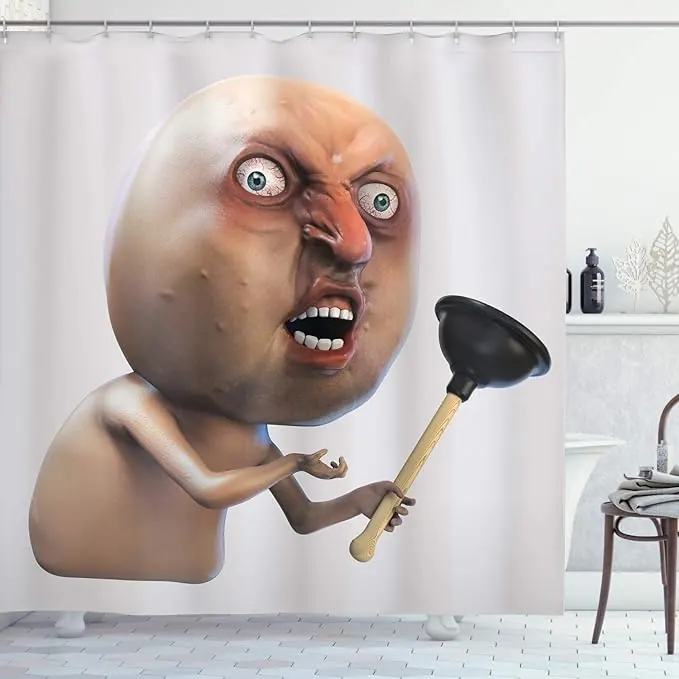

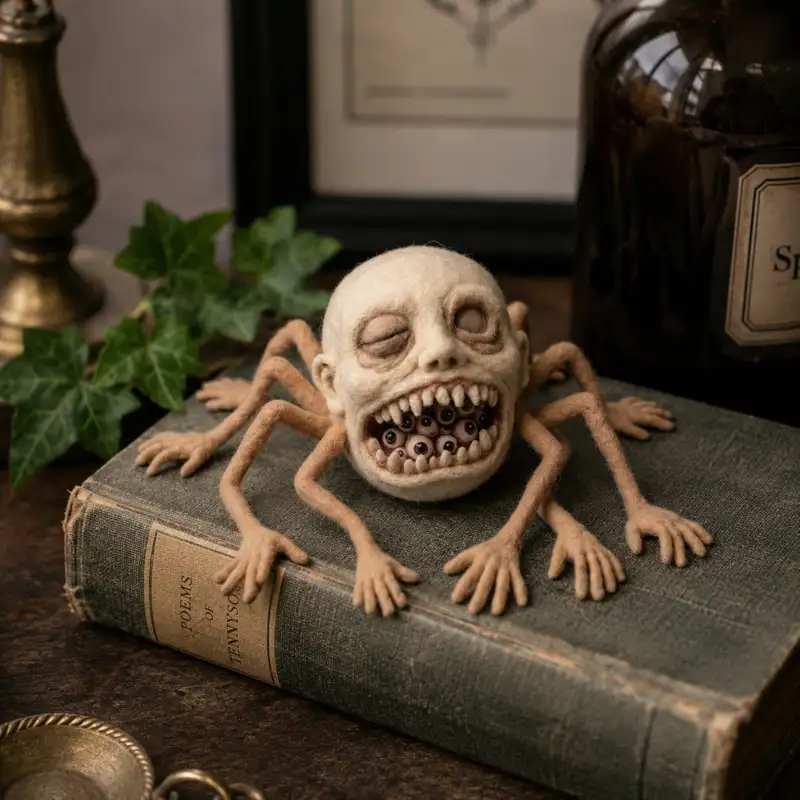
That is an important distinction. You don’t have to think something is beautiful to share it, and you don’t have to want to own something to find it fascinating. A ridiculous chair, bizarre decoration, or completely impractical invention can still be worth showing someone simply because it produces a reaction.
Sometimes the social value of weirdness is as simple as having something to point at together.
The Internet Made Weirdness Easier to Find
Before the internet, discovering unusual objects often depended on physical proximity. You might find them in flea markets, antique stores, independent shops, museums, unusual collections, or the back corner of someone’s garage. If nobody happened to see them, their audience could remain very small.
That has changed dramatically.
Reddit threads, TikTok feeds, Instagram accounts, Pinterest boards, online marketplaces, and specialized websites have made the search for unusual things almost frictionless. You no longer have to stumble across weirdness by accident. You can actively look for it, follow people who collect it, and let algorithms keep finding more of it for you.
The internet did not invent weirdness. It created a much more efficient way for weirdness to find an audience.
Some websites have taken this idea even further by turning unusual products into a form of entertainment and discovery. Instead of behaving like conventional online stores, they function almost like curated cabinets of curiosities, where browsing is part of the experience. If you’re curious about this corner of the internet, our guide to weird product websites looks at some of the places built around exactly this kind of discovery.
The audience for strange things is no longer limited by geography. A bizarre object made by a small artist can be photographed in one country, shared in another, discussed somewhere else, and eventually become recognizable to people who will never encounter the original object in person.
The internet didn’t make the world stranger.
It simply made it much easier to find the strange parts of it.
Why Some Weird Things Become Popular
If people are attracted to unusual things, why do only some weird objects spread?
Pure incomprehensibility can be a dead end. When an object gives the viewer nothing recognizable to hold on to, curiosity may disappear before it becomes interest. The strange things that travel most easily often sit somewhere between familiarity and surprise.
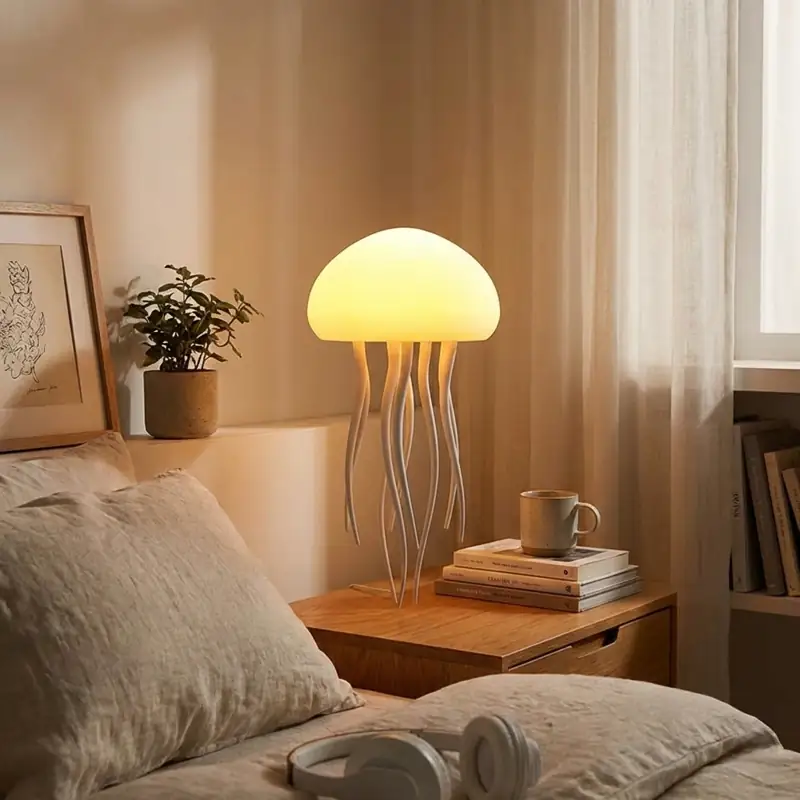
A chair that looks like a cat is easy to understand. A handbag shaped like a loaf of bread is strange, but both handbags and bread are familiar concepts. A lamp that resembles a mushroom works in much the same way: you recognize the basic object while noticing an unexpected transformation.
The sweet spot is often familiar enough to understand, strange enough to remember.
This balance matters because it allows people to react before they need an explanation. The brain recognizes the basic category and then notices the twist. That is often enough to make someone stop scrolling, click, share, or start a conversation.
In other words, the most successful weirdness isn’t necessarily the weirdest thing imaginable.
It is often the weird thing that people can understand immediately.
When Weird Becomes Too Weird
Not all weirdness is pleasant. Some unusual things make us curious, while others make us uncomfortable, and the difference can be surprisingly small.
This is especially obvious when something familiar becomes almost, but not quite, human. The idea of the uncanny valley describes one version of this reaction: objects or figures that look increasingly human can become unsettling when they remain just different enough to feel wrong.
The important distinction is between interesting weirdness and uncomfortable weirdness.
Interesting weirdness invites us to move closer. Uncomfortable weirdness can make us want to look away. A creepy object in a Halloween store may be entertaining because we know exactly why it is there, while the same object appearing unexpectedly in our bedroom would produce a very different reaction.
The boundary also varies between people. One person’s perfect decoration may be another person’s nightmare, and cultural background can influence what feels strange, funny, beautiful, or disturbing.
Weirdness is therefore not a single emotion. It is a trigger that can lead to curiosity, amusement, fascination, confusion, discomfort, or even fear.
Why We Sometimes Want Things We Don’t Need
Attention does not automatically lead to ownership, but sometimes curiosity turns into something more lasting: collecting.
Once a strange object has captured our attention repeatedly, owning it can become part of the experience. A bizarre lamp may become a conversation piece. An unusual piece of pottery may remind someone of a particular artist. A ridiculous decoration may simply make its owner smile every time they see it.
Utility is only one reason people acquire objects. Emotional value, novelty, identity, memory, and conversation value can matter just as much. Sometimes the most interesting thing an object does is not perform a practical function but create a reaction.
This helps explain why some of the world’s strangest products keep selling. They may not solve an ordinary problem better than conventional products, but they can offer something conventional products often lack: a story.
The question changes from “What does this do?” to “What does this make me feel?” or even “What does this say about me?”
Why Do People Collect Weird Things?
A single strange object can be amusing. A group of related strange objects begins to tell a story.
Collectors often aren’t simply accumulating things. They are creating connections between them. A collection of bizarre toys, unusual ceramics, antique medical instruments, vintage packaging, or obscure cultural artifacts can become a record of someone’s interests and obsessions.

That is why a collection can make perfect sense to its owner even when it looks completely random to everyone else. The collector knows what makes one object different from another, where it came from, why it matters, and what they hope to find next.
Curiosity is often the beginning, but collecting gives curiosity somewhere to go.
That is also why the question of why people collect things nobody else wants fits naturally into the larger story of weird culture. Something that initially catches our attention can become meaningful through repetition, discovery, and personal attachment.
Weirdness attracts the eye.
Collecting gives that attraction a history.
Weirdness, Identity, and the Need to Be Different
For some people, the attraction to weird things goes beyond curiosity. Gothic objects, bizarre home décor, unusual fashion, strange toys, obscure collectibles, and unsettling art can become part of a person’s environment because they feel more personal than conventional alternatives.
Someone who fills their home with ordinary furniture is making one kind of aesthetic choice. Someone who surrounds themselves with strange sculptures, unusual lamps, antique curiosities, and bizarre ceramics is making another. Neither choice is inherently better; they simply communicate different ideas about what feels interesting and meaningful.
This is where weirdness becomes a language of identity.
The same object that looks ridiculous to one person can feel completely natural to another because taste changes our definition of normal. Once you find a community that shares your interests, things that once seemed strange can become familiar, while conventional objects may start to feel boring.
That is why weird culture is ultimately about more than objects. It is also about finding other people who see the same strange things and think, “Yes. I get it.”
Why We Never Really Outgrow Weird Things
As children, we are drawn to monsters, dinosaurs, aliens, strange toys, imaginary creatures, and anything that looks slightly different from everyday life. It is easy to assume that adults eventually grow out of this fascination, but in many cases we simply change the objects.
The child who once wanted a dinosaur toy might grow up to collect fossils, prehistoric artwork, or unusual replicas. Someone fascinated by monsters may become interested in horror art or creature design. Someone who loved bizarre toys might eventually develop a taste for unusual furniture, vintage objects, obscure collectibles, or internet oddities.
The surface changes, but the underlying appetite remains familiar. We still enjoy surprise, we still want to discover things we haven’t seen before, and we still enjoy finding something that other people have overlooked.
Growing up doesn’t necessarily eliminate curiosity.
It simply gives curiosity more places to go.
The Strange Things We Will Find Tomorrow
The supply of strange things is unlikely to run out. If anything, new technology is making it easier to create combinations that would once have been difficult or impossible to imagine.
AI-generated images and objects, virtual collectibles, digital artifacts, hybrid physical-digital products, unusual interfaces, and rapidly changing internet communities are already expanding the definition of what can become a cultural curiosity.
Some of these things will disappear almost immediately. Others may become surprisingly meaningful years from now. We have seen this happen with old toys, obsolete technology, advertising objects, packaging, household products, and other things that were once ordinary but later became fascinating because they captured something about the culture that produced them.
Yesterday’s junk can become tomorrow’s curiosity.
And tomorrow’s strange object may eventually become completely normal.
That may be one of the most interesting things about weirdness: it changes as our idea of normal changes.
Maybe Weirdness Is the Point
Go back to that flea market.
You saw hundreds of objects. Most disappeared from your attention almost immediately. Then you noticed one strange thing, stopped, looked again, and tried to understand it.
Maybe you laughed. Maybe you wondered who would actually buy it. Maybe you took a photograph and sent it to a friend with a simple message: “Look at this.”
Nothing particularly important happened.
And yet, for a few seconds, the ordinary world became slightly more interesting.
That may be the real appeal of weird things. We don’t necessarily love them because they are beautiful, useful, valuable, or objectively good. We love what happens when something unexpected interrupts the familiar. Weird things make us look twice, create questions where there wasn’t a question before, and sometimes give us something that feels strangely personal.
Most of the world is designed to become familiar. We learn the shapes, routines, products, places, and behaviors around us until they disappear into the background.
Weirdness gives us a reason to notice again.
Maybe the strange thing isn’t the object at all.
Maybe it’s the fact that, for a moment, it made us stop looking at everything else.