Take a slow look around the room you’re in.
Somewhere on a shelf, in a drawer, or at the back of a cupboard, there’s probably an object that has quietly outlived the reason you first brought it home. It might be a souvenir from a trip you’ve almost forgotten, a novelty gift that somehow became part of the furniture, or a mug that isn’t your favorite but always seems to find its way back into the cupboard. None of these objects are especially valuable, and many no longer serve the purpose they were originally bought for. Yet they continue to hold a place in our lives for reasons that are surprisingly difficult to explain.
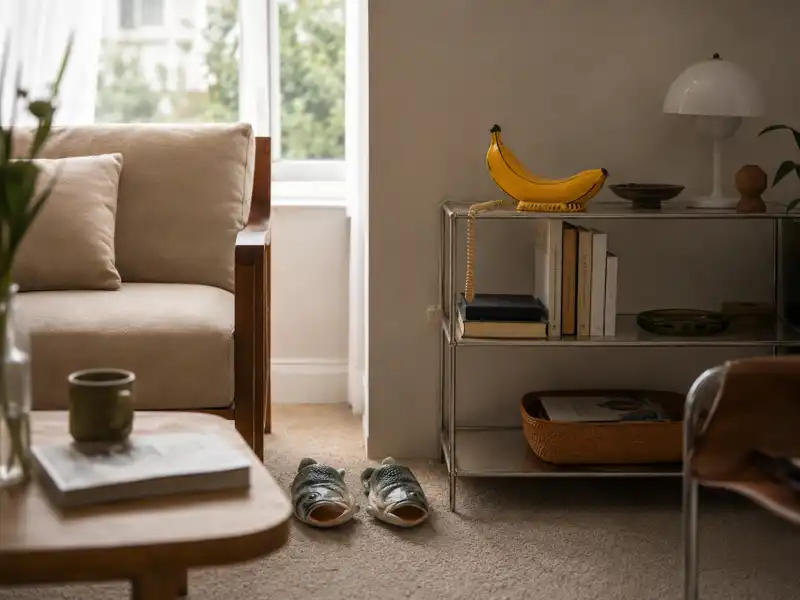
Over the past year, while cataloging hundreds of unusual products for Oddbbo, we assumed most of our attention would go to design. Why someone would turn a slipper into a fish, a telephone into a banana, or a perfectly ordinary rug into the illusion of a bottomless hole seemed like the obvious question.
Instead, we found ourselves paying closer attention to what happened after these objects reached people’s homes.
Again and again, the conversations were rarely about quality, craftsmanship, or even usefulness. People remembered who had given them the object. They talked about the first guest who noticed it, the photograph it accidentally appeared in, or the family joke that somehow became attached to it. The objects themselves hadn’t become more useful, or even more beautiful. They had simply become harder to replace.
The more examples we collected, the less they felt like isolated curiosities. They began to look like different versions of the same story—objects that had quietly drifted beyond their intended purpose and settled into people’s memories, routines, and relationships.
That observation kept returning to us. Not because it explained why strange products exist, but because it quietly challenged the way we think about ordinary ones.
Perhaps the most interesting question isn’t why someone would design a bizarre object in the first place. Perhaps it’s this:
At what point does an object stop being something we own, and quietly become part of the stories we tell about ourselves?
When Strange Products Become Hard to Explain
Spend a few minutes browsing unusual products online and a pattern begins to emerge. You understand what each object does, but not why it chose to look that way.
The first question in the comments is almost never, “Are they comfortable?” It’s usually, “Why would anyone make these?” That question appears so consistently that it almost feels like part of the product itself—almost every conversation begins there before it goes anywhere else.
One object that keeps proving the point is a pair of fish slippers. They aren’t especially innovative as footwear, and they don’t need to be. What makes them memorable is that people usually spend longer deciding what they think about them than deciding whether they actually need them.
See why people keep talking about them →


The same pattern appears across many strange products we’ve cataloged for Oddbbo. The initial reaction is rarely functional. It is interpretive. People don’t immediately evaluate performance; they try to locate meaning.
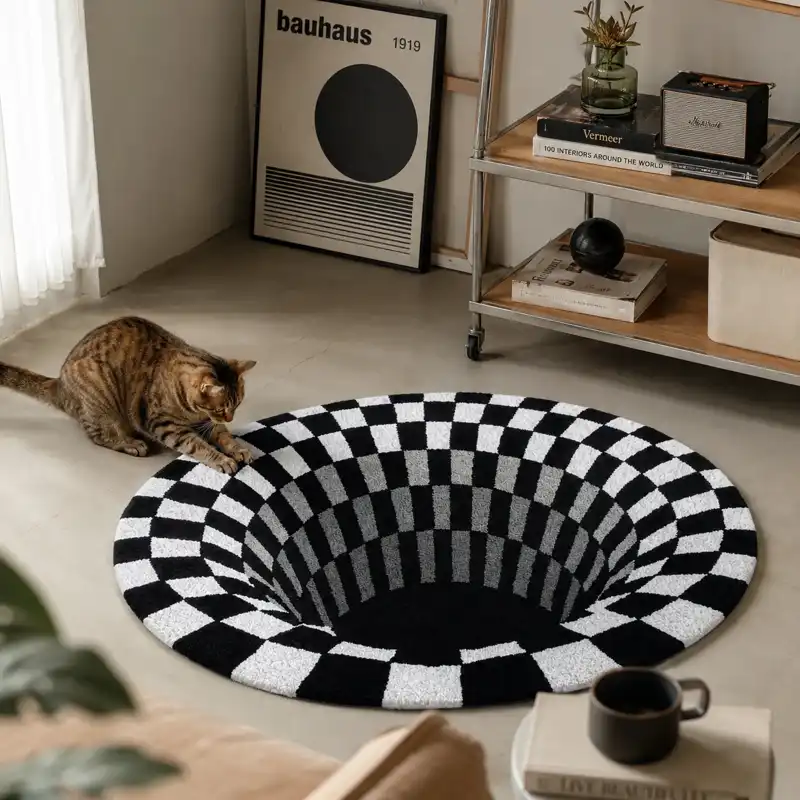
Visitors often pause before stepping onto a 3D hole rug, even when they know perfectly well that the floor underneath is solid.
That pause is small, but it is consistent. It appears before judgment, before preference, and sometimes even before understanding. In that brief moment, the object is not yet accepted as useful or dismissed as useless. It is held somewhere in between.
Somewhere during that process, the object quietly stops being judged only by what it does. It begins to be remembered for what it interrupts. And once an object is remembered differently, the reasons for wanting it begin to change as well.
We’ve explored this first moment of attraction in more detail in Why We Are Drawn to Weird Objects (Even When We Don’t Need Them), where we looked at why unfamiliar objects capture attention long before we decide whether we actually need them.
Why Unusual Objects Interrupt the Way We Look at Things
One possible explanation comes from psychology.
Researchers have long observed that people generally prefer things that are easy to understand, an idea often referred to as the processing fluency effect. When an object looks exactly the way we expect it to, our brains spend very little effort deciding what it is.
Strange products interrupt that ease, even if only for a moment. They are not confusing in any serious way, but they resist instant recognition. A fish slipper is still clearly a slipper, yet the fish-like form adds just enough friction for the mind to slow down before deciding what it is looking at.
Your brain sees both the fish and the slipper at the same time, and hesitates before settling on either. That small delay matters more than it first appears.
It is not confusion in the usual sense. It is a brief suspension of certainty, a moment where the object has not yet been fully categorized. In everyday environments, most objects pass through perception without leaving any trace. But unusual products interrupt that flow just long enough to be noticed differently.
A 3D hole rug is a clear example. It is obviously a rug, but visually it behaves like something else entirely. Visitors often pause before stepping onto it, even when they know perfectly well that the floor underneath is solid.
That pause is not about doubt. It is about the mind briefly delaying its decision on what the object is.
And in that short delay, something subtle happens.
The object stops being evaluated purely as a tool. It becomes something that requires attention before judgment can proceed.
Because once interpretation slows down, something else begins to take its place.
Attention.
When Familiarity Begins to Feel Different
Very few strange products disappear after the first glance. If anything, they have a habit of returning unexpectedly—a few hours later while scrolling again, during a conversation, or the next time you notice one in someone else’s home. Attention, it turns out, rarely stays where we first leave it.
Interestingly, repeated exposure may gradually soften the initial resistance we feel toward unusual objects. Psychologists often describe this as the mere exposure effect—the idea that the more often we encounter something, the more familiar it becomes, and familiarity itself can begin to feel like preference. Not every unusual object follows the same path. Some stay memorable because they remind us of experiences that already carry emotional weight, something we explored in Objects That Smell Like Memories (But You Can Buy Them).
This does not mean the object changes in any real sense. A banana-shaped phone does not become more reasonable over time. A fish slipper does not become less strange simply because we have seen it before. What changes is the way we relate to it.
At first, an unusual product interrupts perception. It slows down interpretation just long enough to be noticed. But over time, that interruption begins to lose its force. The mind no longer pauses in the same way because it has already learned how to place the object somewhere in its internal catalogue.
A banana phone is a good example. The first time you see it, it demands explanation. By the third or fourth time you see it, you no longer stop to ask why it exists. It simply becomes “that banana phone”—an object with its own place in your mental catalogue.
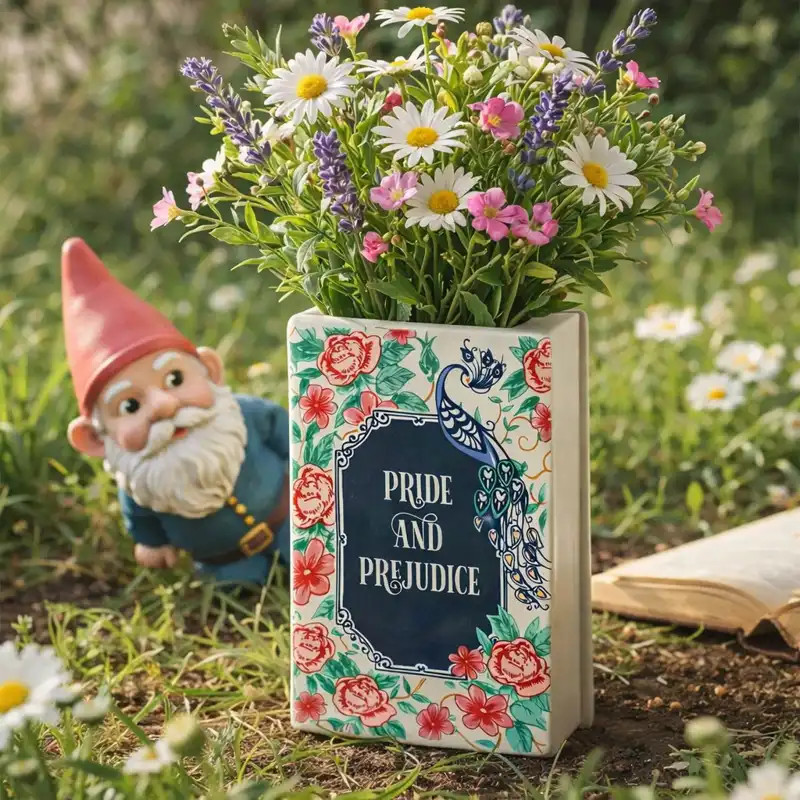
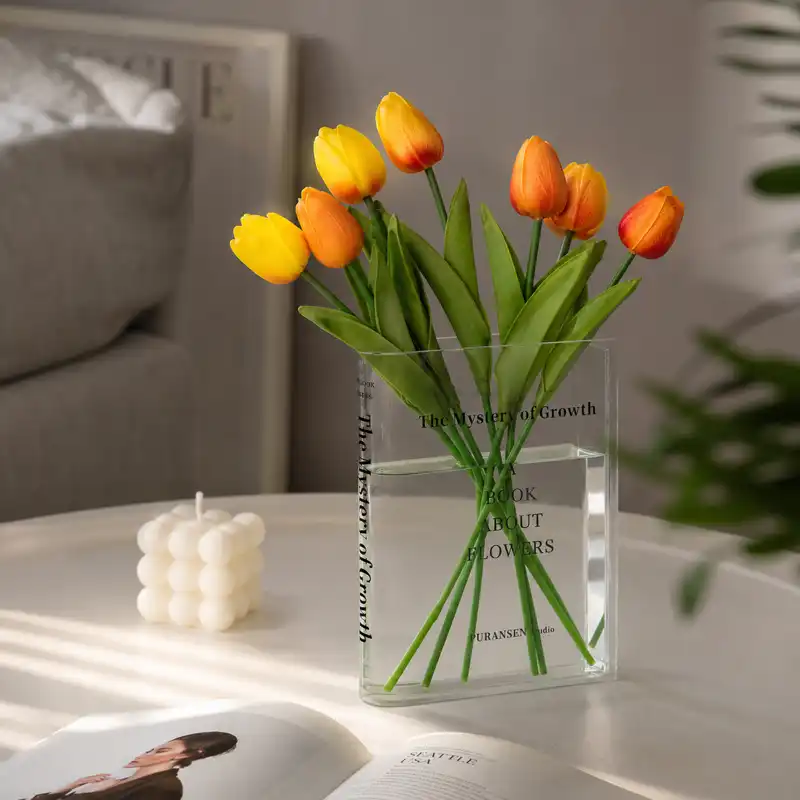
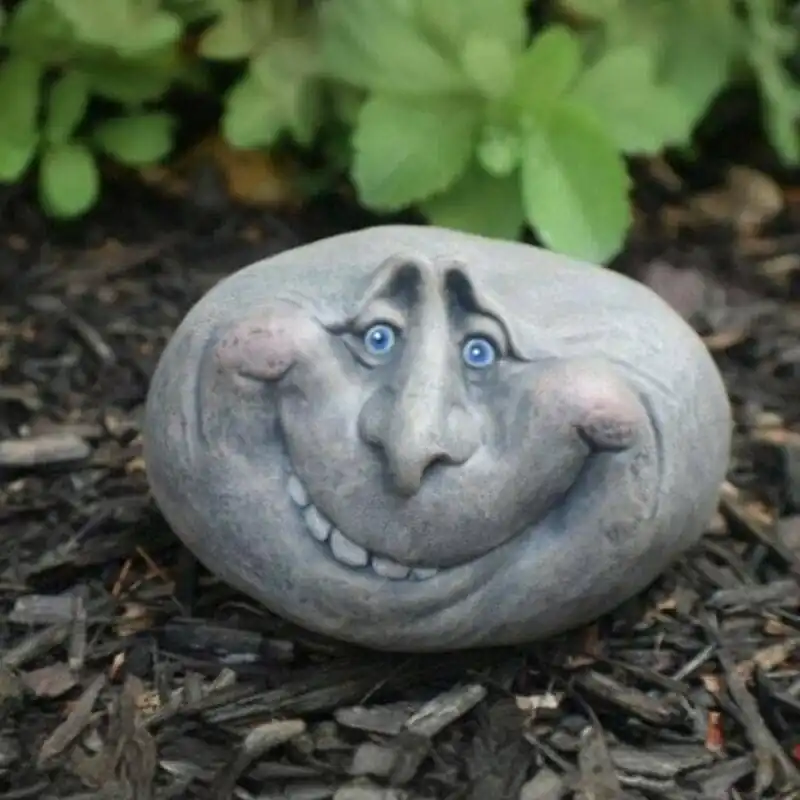
The same shift can be observed across many of the objects we encounter at Oddbbo. A Book Vase that once felt like a visual trick eventually becomes a familiar way of imagining books on a shelf. A Pet Rock, absurd at first glance, slowly turns into something you recognize as part joke, part memory, part cultural reference.
What begins as resistance does not fully disappear, but it changes shape. It becomes recognition.
And recognition is not the same as understanding. It is simply the feeling that something has been seen before, even if we cannot fully explain why it matters.
And perhaps that quiet sense of recognition is the first step toward keeping an object longer than we ever expected.
The Moment an Object Finds a Place in Our Lives
After the curiosity fades, something quieter begins.
Most strange products are not looked at every day with the same surprise they inspired at first. The fish slipper eventually becomes the slipper by the door. The book vase settles onto a shelf. The banana phone sits on a desk between ordinary objects that no longer seem quite so ordinary beside it.
Somewhere during that transition, the object stops demanding attention.
Instead, it begins to earn a place—not because it demands attention anymore, but because people quietly begin arranging their lives around it.
Not because it has become more useful than everything around it, but because it has quietly found a role within everyday life. It becomes part of a morning routine, a familiar corner of a room, or a detail that no longer needs to introduce itself.
That shift is easy to overlook because it happens gradually. We rarely notice the moment an object stops feeling new. We only notice, much later, that removing it would somehow make the room feel incomplete.
One object that illustrates this surprisingly well is the Book Vase.
At first, most people react to it as a clever visual joke. It looks like a book until flowers appear from its pages, creating a contradiction that draws attention. But weeks later, people often stop noticing the illusion altogether. The vase is no longer “the clever one.” It’s simply where fresh flowers go.
This is also where many unusual products begin to separate themselves from ordinary novelty items. A novelty product is often defined by a single moment of surprise. Once that moment fades, the object usually loses its relevance. But some objects continue quietly existing in daily life long after the initial reaction disappears. We looked at this pattern from a broader perspective in Why Some of the World’s Strangest Products Keep Selling.
We’ve noticed readers often describe this in unexpectedly personal ways. Comments like “My kids still fight over this every Christmas,” or “It somehow stayed on the shelf through three house moves,” appear more often than you might expect. These are not descriptions of design or function. They are descriptions of endurance.
Some objects become conversation pieces. Others become small traditions inside a family. And a few simply remain, long enough that no one remembers exactly when they stopped being considered unusual.
That persistence is subtle, but it is consistent across many of the objects we’ve cataloged for Oddbbo, Perhaps the most interesting change is not what the object does, It is what people quietly start doing around it.
When Objects Begin to Exist in Conversation
After an unusual object settles into everyday life, something unexpected often happens. It stops existing only for the person who bought it.
It begins to exist for other people as well.
Some objects do not remain silent once they enter a home. After a while, they appear in conversations—mentioned casually in passing, noticed during video calls, or pointed out when someone visits for the first time. Not because they are being showcased, but because they naturally interrupt the familiarity of a space.
Curiously, this doesn’t only happen with objects. Forgotten inventions, mysterious artifacts, and even old legends often follow a similar path. Long after their original purpose has faded, they continue surviving because people keep telling their stories. That’s an idea we explore more often on Oddbbo.world.
“Where did you get that?” is often the first question.
That question is often the beginning of the object’s second life.
A banana phone sitting on a desk rarely needs to be used to be noticed. Its presence alone is usually enough to change the tone of a room slightly, shifting it from purely functional to slightly playful, slightly uncertain in meaning. It becomes less of an object and more of a prompt.

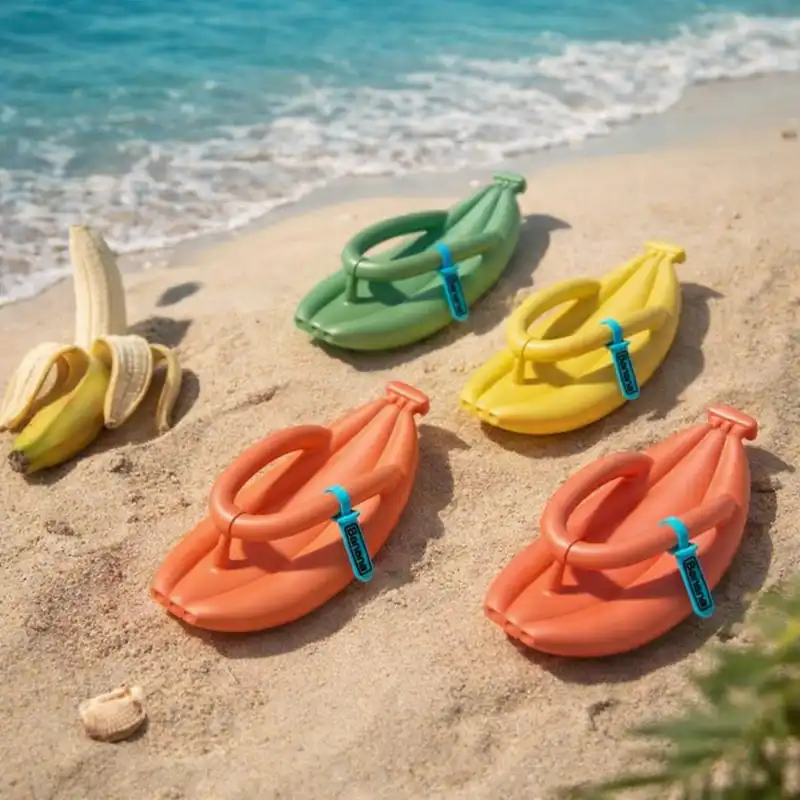
Fish slippers tend to follow a similar path. They are rarely remembered for comfort or practicality. Instead, they become part of stories—something brought back from a trip, a gift from a friend, or an impulse purchase that somehow never left the house.
Years later, people often remember the story before they remember the product.
This is where unusual products begin to leave the private space of ownership and enter the shared space of language. They stop belonging only to the people who own them and begin belonging to the stories people tell. Sometimes the story isn’t visual at all. Scent can work in much the same way, carrying memories that people continue talking about long after the first experience. That’s one of the ideas behind Why Do Weird Food Perfumes Exist? Inside the Strange World of Food-Inspired Fragrances.
We’ve noticed this pattern repeatedly in how readers describe their own experiences. A Book Vase is rarely described in terms of design alone. More often, it is remembered through someone’s reaction when they first realize what it actually is.
Some objects become running jokes inside families. Others become reference points between friends. A few simply become part of the way people explain their lives to others without realizing it.
At this point, it becomes clearer that some objects do not stay in homes because they are used frequently, They stay because they are spoken about frequently, An object may remain on a shelf for years. The story attached to it rarely stays in one place.
And perhaps that is the real function of certain strange objects.
Not to be used.
But to be told.
What Remains After Everything Else Fades
Take a slow look around the room you’re in again.
Not much may have changed since the first time you did it, but the way you see things might feel slightly different. Objects are still there in the same places—on shelves, on desks, in corners that rarely get noticed—but they no longer feel entirely neutral.
Somewhere along the way, they stopped being just things you own.
An object that once caught your attention for being unusual may now feel familiar. Another that once made you pause might have become so ordinary in daily life that you no longer think about it at all. And yet, when someone else notices it, the story returns immediately.
That is the strange condition these objects create. They exist differently depending on who is looking at them.
For the person who owns them, they slowly fade into the background of daily life. For others, they often remain slightly surprising. Somewhere between the moment you first noticed them and the moment you stopped thinking about them, something changed.
What changed was not the object itself, but the distance between attention and familiarity, We often think we keep objects for practical reasons, or even aesthetic ones. But over time, many of them remain for reasons that are harder to explain.
They remain because they’ve been noticed, laughed about, and quietly woven into everyday routines. They remain because they’ve been folded into conversations, habits, and small moments that no longer feel important on their own.
And perhaps the most interesting part is this:
Objects do not really stay in one place, They move between rooms, between people, and between versions of ourselves.
A fish slipper may sit quietly in a corner, but the story of it might travel further than the house it is in. A banana phone may never be used as a phone, but it continues to appear in conversations long after the first moment of surprise. A Book Vase may simply hold flowers, but it also holds the memory of the first time someone realized it was not just a book.
What remains is not the object as it was first understood.
It is the trace it leaves in the way we see ordinary things afterward.
Objects usually stay where we leave them. Their meanings rarely do.