There is something a little off about modern life, although it’s not easy to point to exactly what.
Everything is cleaner now. Homes are more controlled, desks are more minimal, routines are stripped down until they mostly function without friction. Even the way objects are chosen feels more deliberate than before.
And yet people still bring in things that don’t really fit that logic.
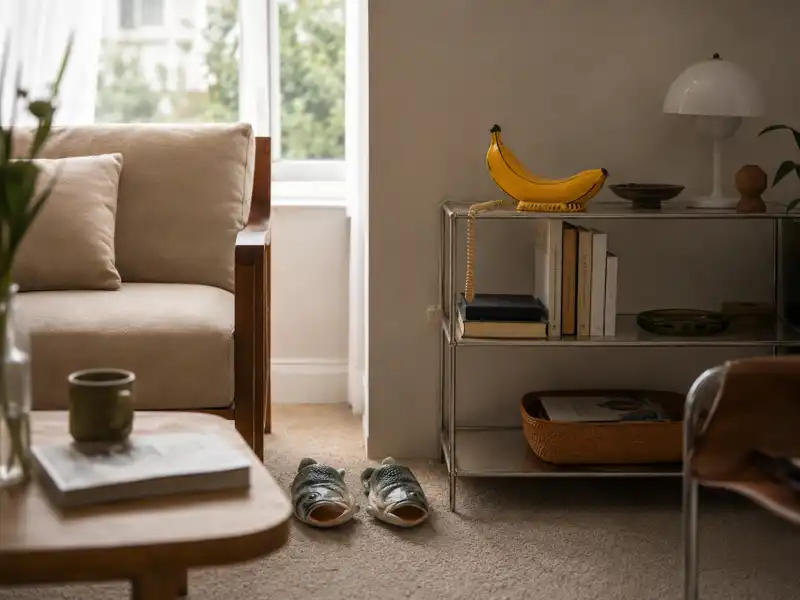
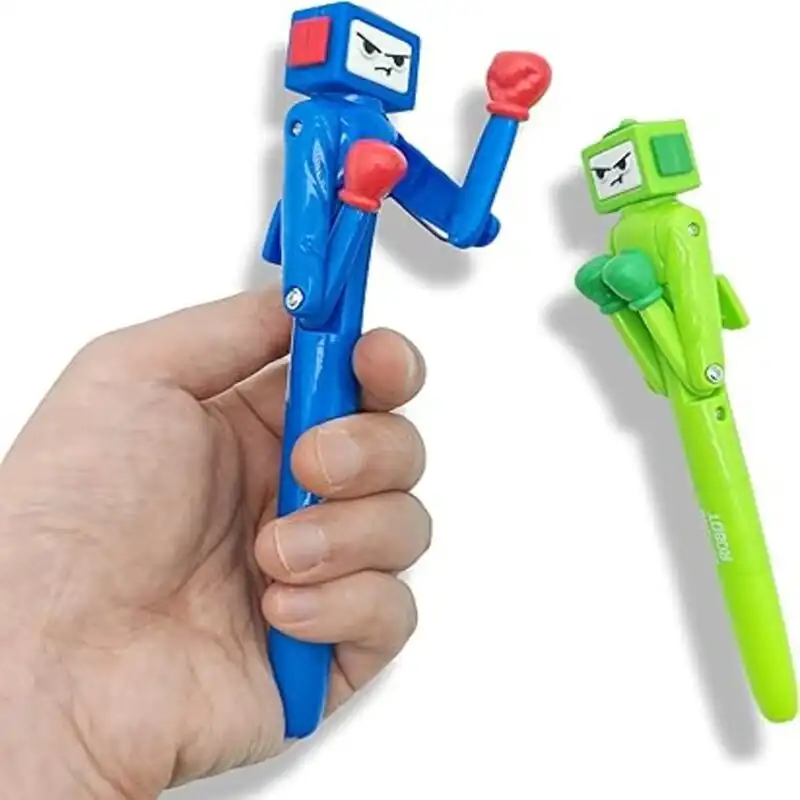
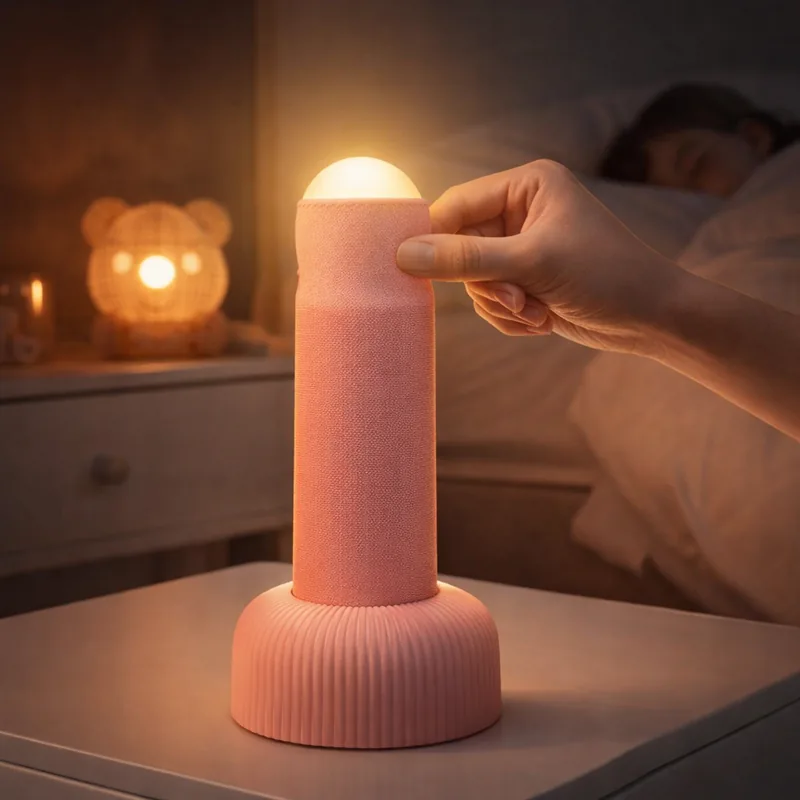
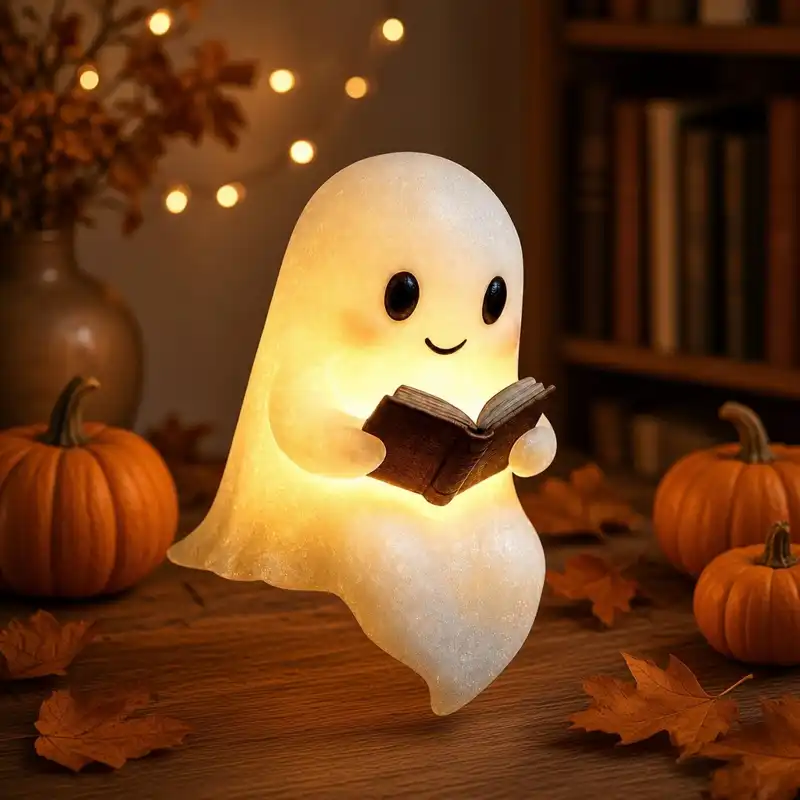
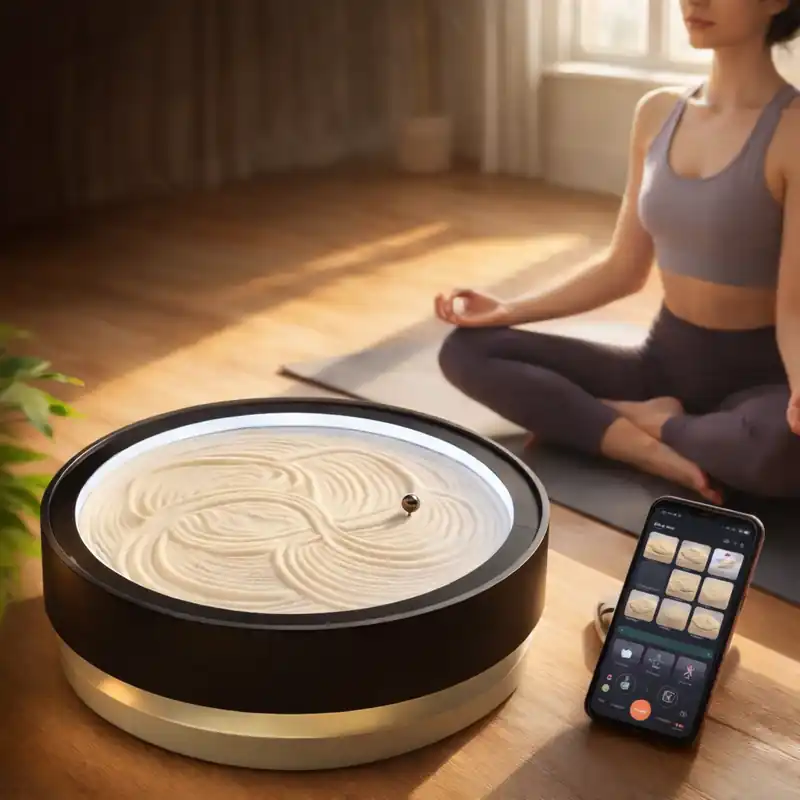
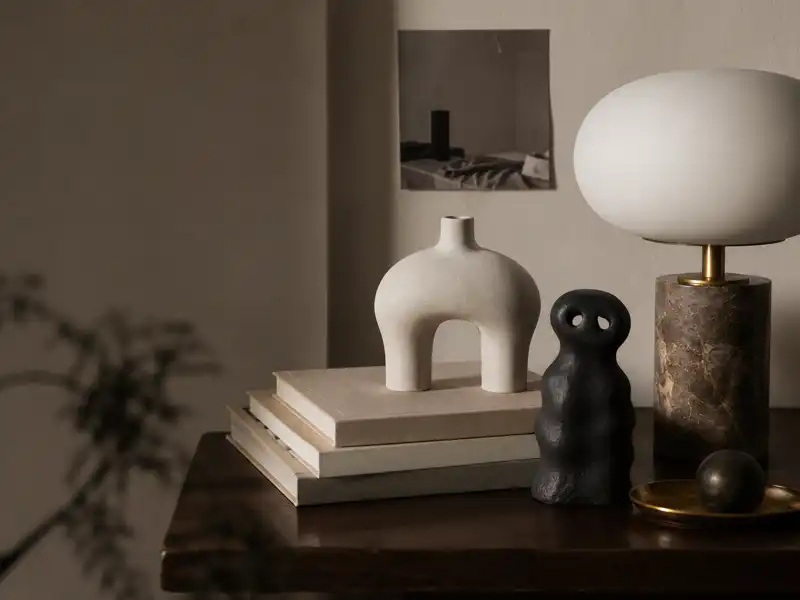
A small lamp that doesn’t belong to any obvious style. A ceramic object that doesn’t clearly explain itself. Or something you might see in an Oddbbo-style collection — not quite decoration, not quite tool, just something that exists in the space without asking for permission.
You don’t need them in any practical sense. That part is usually obvious from the start. Still, they end up staying.
Not always for a reason you can fully explain.
The idea of a fully functional environment doesn’t really hold
On paper, everything is moving toward efficiency.
Interfaces are flatter. Furniture collapses or folds away. Products are designed to take up less mental space. Even language online gets compressed into fragments because longer forms feel unnecessary.
Less friction, less noise, less of anything that slows things down.
But attention doesn’t behave in a fully efficient way. It drifts. It gets stuck on small details. It notices things that weren’t meant to be noticed.
A strange object on a desk can do that quite easily. Something sculptural, slightly unclear in purpose, maybe closer to the kind of objects you’d find in Oddbbo’s visual direction than in a traditional design catalog.
It interrupts the pattern for a moment. Not in a dramatic way. More like a pause you didn’t plan for.
Unnecessary objects are easier to live with than they should be
There’s a kind of relief in things that don’t require anything from you.
Most objects in a room come with expectations attached. A chair is for sitting. A cup is for holding something. A screen is for attention, most of the time more than you intended to give.
But some objects don’t really participate in that system.
They just stay there.
On a shelf, on a desk, in a corner that doesn’t have a clear function. A slightly odd object you might have picked up without overthinking it — something that fits loosely into the world Oddbbo is building, even if you didn’t think of it that way when you bought it.
There’s no instruction for it. No correct use. Nothing to optimize.
And strangely, that makes it easier to live with.
You stop noticing it in a functional sense, but you don’t remove it either.
Objects tend to hold onto time without asking
People usually think they choose objects intentionally, but it often feels more indirect than that.
A lamp ends up belonging to a certain period of life. A small object on a shelf quietly marks a change in routine or space. Even something bought impulsively can become a kind of timestamp, though you don’t realize it at the time.
It just accumulates meaning slowly.
That’s probably why weird objects are harder to get rid of. They don’t fit into clean categories, so they don’t leave clean exits either.
You can’t always explain what they represent, but you know they belong to a version of things that already passed.
Spaces don’t feel complete without a small deviation
A well-arranged room can feel finished, but sometimes also slightly static. Everything aligns. Everything makes sense. Nothing really interrupts anything else.
And then there’s a quiet sense that something is missing, even if nothing is wrong.
This is where a small deviation changes things. One object that doesn’t fully match the rest. One form that slightly breaks the expectation of the space without taking it apart.
Not chaos. Just a soft mismatch.
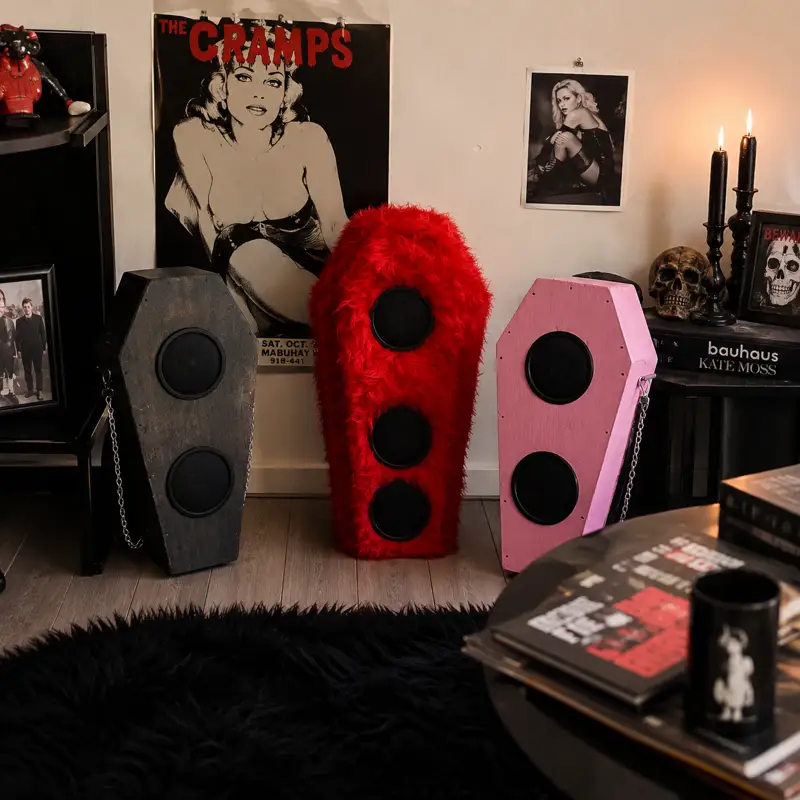
In many interiors this role is often played by unusual decorative objects — pieces that don’t fully commit to being either functional or purely aesthetic. Some of the objects in Oddbbo’s direction sit in that same space, where the purpose is less about definition and more about atmosphere.
The room doesn’t become different in structure. It just stops feeling completely fixed.
Originality is harder to locate now
Everything has already been seen in some form.
Not once, but many times, across slightly different versions of the same idea.
Because of that, newness doesn’t feel as stable as it used to. It blends into reference very quickly.
So people start drifting toward things that are harder to categorize. Not extreme or chaotic, just slightly out of place in a way that makes labeling them difficult.
Weird objects live in that gap.
They don’t announce what they are too clearly. They resist immediate classification. They don’t fully settle into existing aesthetic categories.
Imperfect objects feel closer to how thinking actually works
Perfect design tends to resolve itself quickly. It makes sense immediately, and then there isn’t much left to sit with.
But objects that feel slightly unresolved tend to stay longer in memory. A form that doesn’t fully settle. A material choice that feels slightly unexpected. A combination that doesn’t fully align in a clean way.
They feel closer to thought, in a loose sense.
Not structured or linear, but associative. Sometimes inconsistent. Not fully decided.
More like something in progress than something finished.
A room is never just visual
Most people don’t notice individual objects for long. They notice the space as a whole. But that space is built slowly from small things that accumulate over time.
A desk is not just a surface. It becomes a background for attention. A shelf is not just storage. It turns into a kind of quiet archive of what stayed and what didn’t.
One object can shift that balance more than expected, although not in an obvious way. It doesn’t change what the room is for, It changes how it feels to be in it.
A slightly unusual object on a desk — something aligned with Oddbbo’s visual language, even loosely — doesn’t complete the room. It softens it. Makes it less locked in.
More lived in, even if nothing materially changed.
What Oddbbo actually sits between
It’s not easy to place Oddbbo into a clear category.
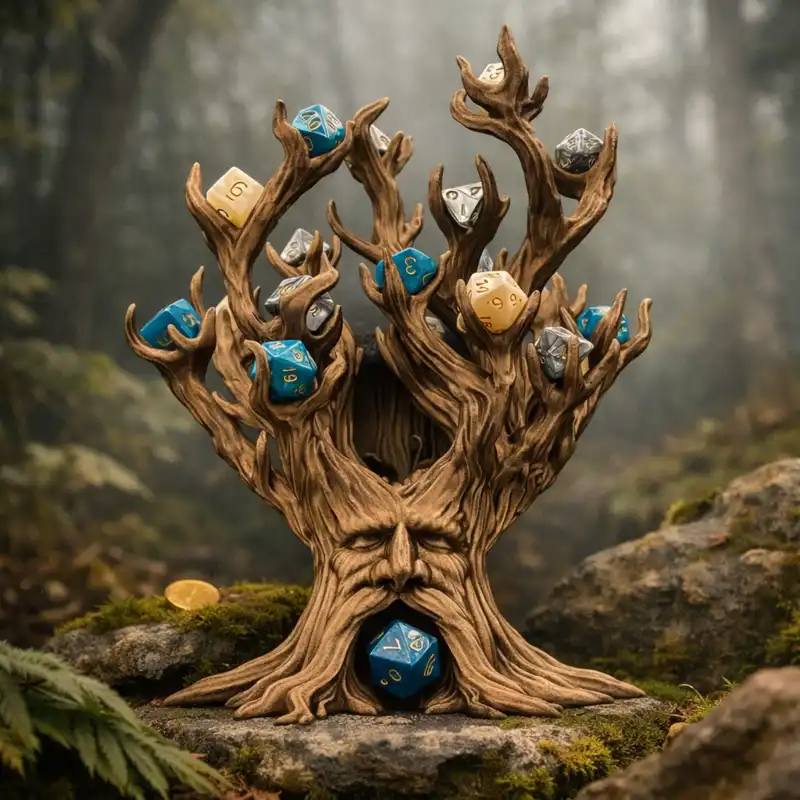
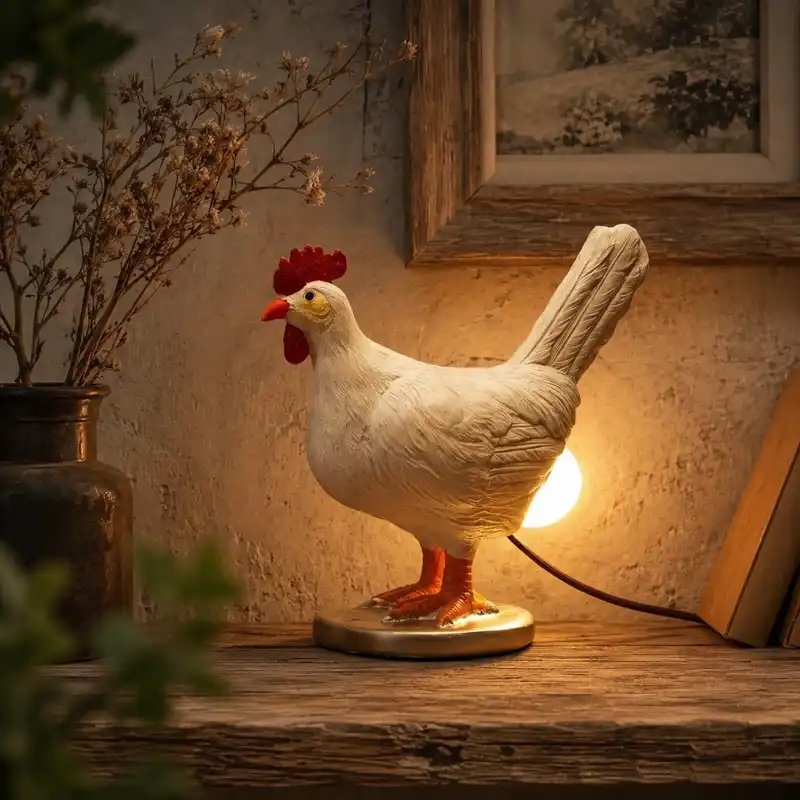
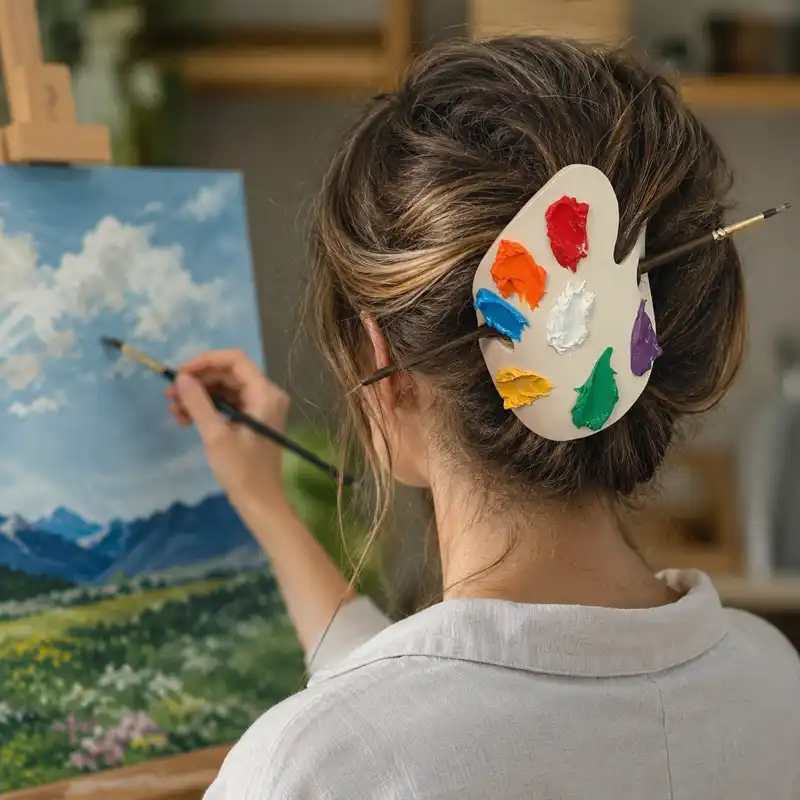
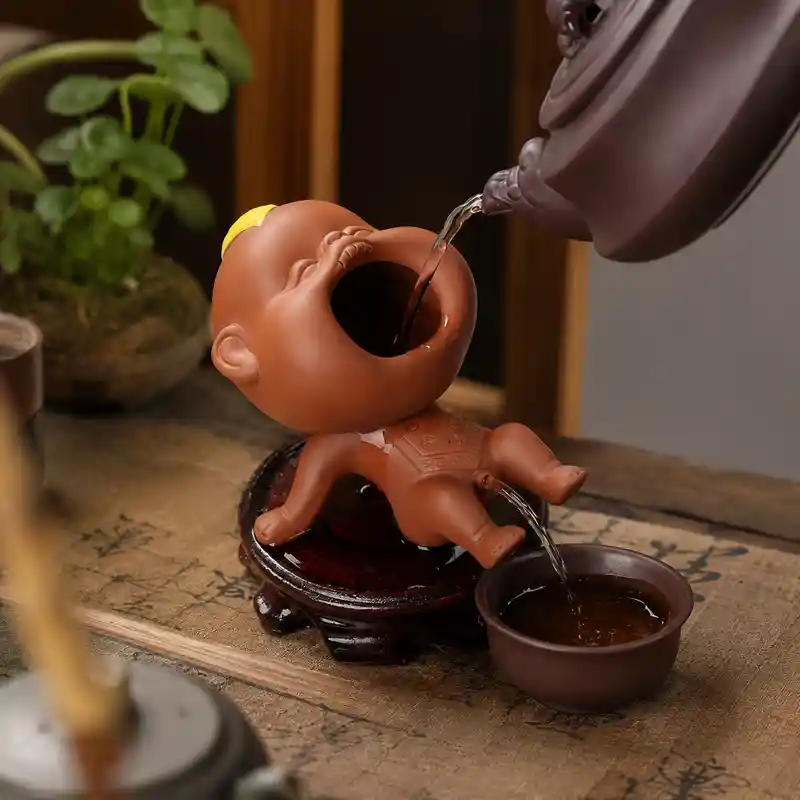
It’s not purely décor. Not novelty. Not utility in the traditional sense.
It sits in a space where objects don’t need to justify their existence through function, but also don’t try to be meaningless.
Small forms. Quiet, slightly strange objects. Things that don’t fully explain themselves, but still feel at home in certain environments.
Not optimization. Not statement.
Something more in between, closer to attitude than category.
We don’t really collect objects
At some point, objects stop being just objects.
They become markers of time, mood, or versions of life that don’t exist in the same form anymore.
People don’t always remember why they chose them. But they remember the feeling around that decision, even if it’s vague.
That’s usually what stays attached, Not the object itself, but the trace it leaves behind.
It’s a bit similar to how certain everyday items seem to carry memory through association — almost like the idea explored in another piece about Objects That Smell Like Memories (But You Can Buy Them), where objects don’t just sit in space, they quietly hold emotional references you don’t always notice until later.
There isn’t really a clean ending to this
We aren’t drawn to weird objects because they are unusual in themselves.
That explanation is too simple.
It’s more that they sit slightly outside the logic of usefulness without becoming empty or meaningless. They interrupt things just enough to change how a space is experienced.
And in that small shift, something ordinary becomes a little less rigid.
Not transformed.
Just less fixed than before.