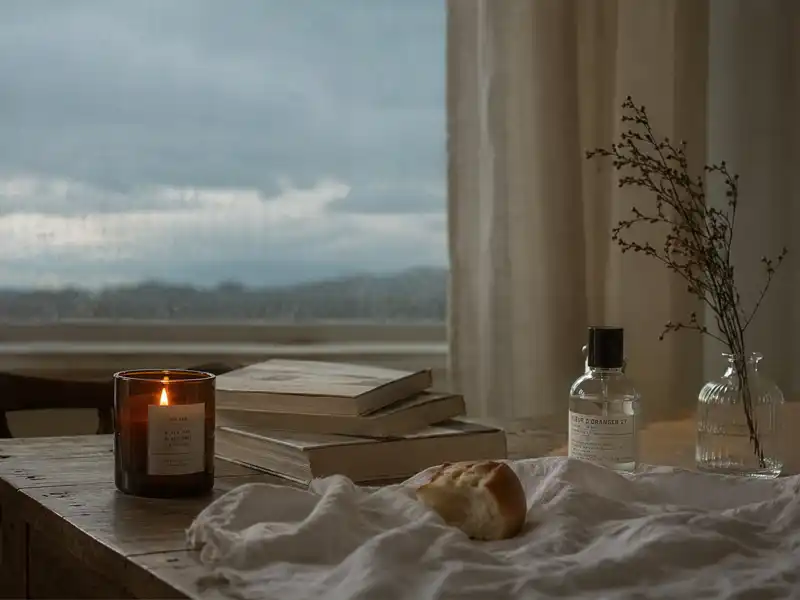
There are some objects that don’t really ask for attention when you first meet them.
They just sit there quietly, as if they already know you will eventually come back to them in your mind.
A candle on a shelf. A small glass bottle of fragrance oil. A diffuser that hums almost invisibly in the corner of a room.
Nothing special at first glance. And yet, after a while, you start to notice something slightly strange.
They don’t just smell like something.
They smell like something that used to happen.
Rain on Warm Pavement
I think the first time I really noticed this was with a scent that tried to recreate rain on hot city pavement. Not the poetic kind of rain you see in films. Not soft or romantic or clean.
More like the moment when heat is still trapped in the ground, and rain hits it too quickly, too suddenly, and the air changes for just a few seconds before settling again.
There are candles that try to capture this exact feeling, often labeled as petrichor or rain after rainstorm.
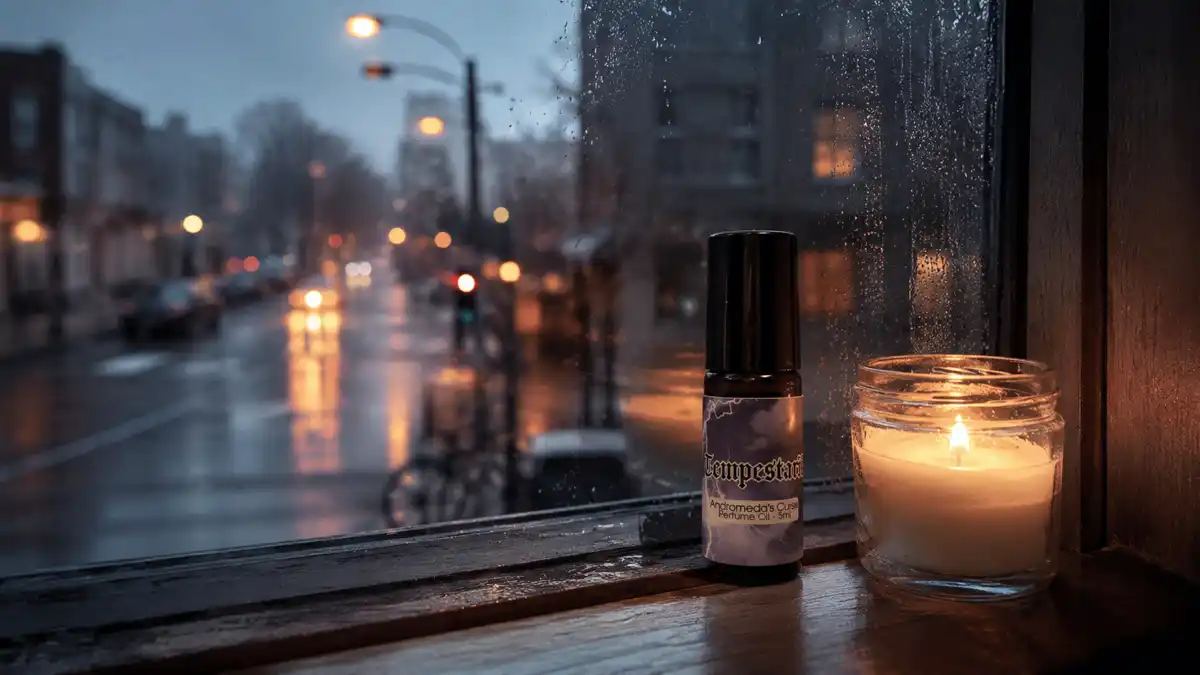
Among the many products that evoke this atmosphere, one familiar example is Yankee Candle Clean Cotton, even though it doesn’t explicitly claim to capture the scent of rain.
But memory is like that. It doesn’t follow labels. It follows resemblance.
And somehow, this kind of scent ends up feeling like standing still on an empty street after something just happened, even if you’re not sure what.
The Silence Inside Bookstores
There is also a very specific atmosphere that belongs to old bookstores and libraries.
Not the books themselves, really. But the silence between them.
The kind of silence that doesn’t feel forced, where you can walk slowly without needing a reason, and no one expects you to speak. Somewhere along the way, that feeling became something people tried to bottle.
One example is the Homesick Library Candle, part of a growing collection of products designed to capture the quiet atmosphere of old books and reading rooms rather than simply their scent.
But when you actually smell it, it’s not paper you’re noticing. It’s the absence of interruption.
And maybe that’s why it feels familiar, even if you don’t remember ever being there.
Clean Laundry and Afternoon Light
There is a different kind of memory that belongs to domestic life.
It shows up in the smell of fabric that has been washed, dried, and left in sunlight long enough that it stops feeling like something you cleaned and starts feeling like something the world gently changed for you.
Soft cotton. Linen. Air that feels slightly warm without being hot.
Perhaps that’s why products such as Yankee Candle Clean Cotton continue to find a place in so many homes—they’re less about fragrance itself and more about recreating a familiar feeling.
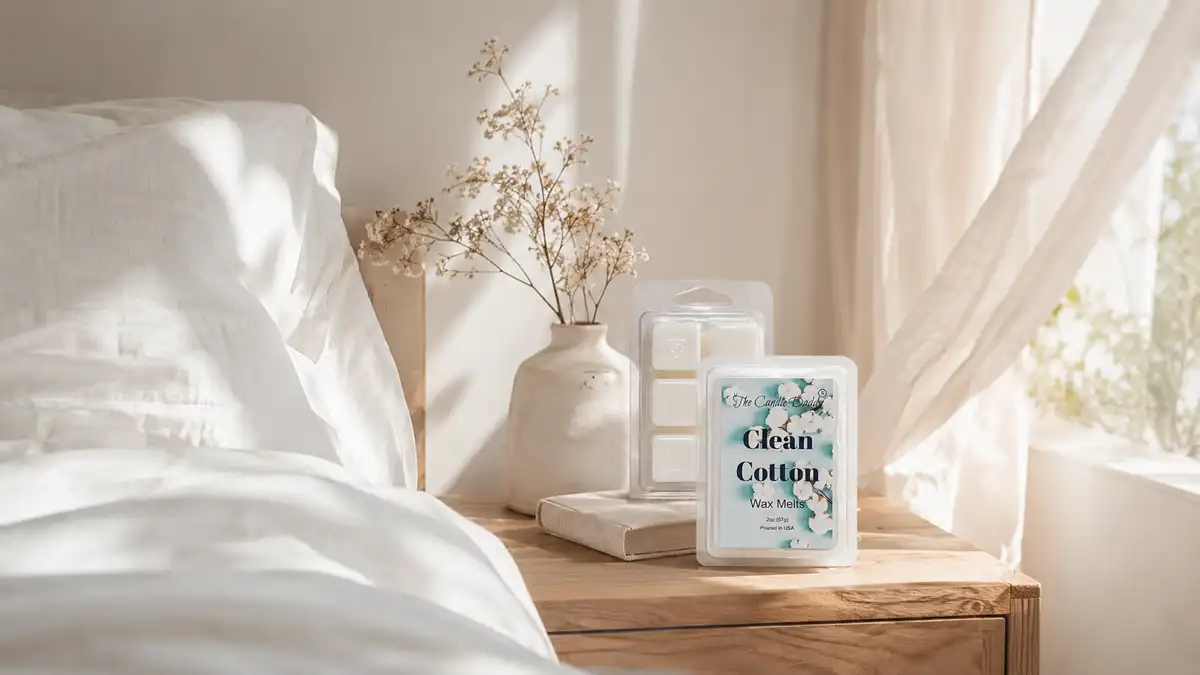
They don’t try to impress with complexity. Instead, they embrace a kind of quiet familiarity that often feels more emotional than products trying much harder to stand out.
Warm Bread Before Anything Begins
If there is one smell that almost everyone recognizes, it is probably this one.
Warm bread, early bakery air, the faint sweetness of something that hasn’t been touched yet.
It is not really about food as much as it is about timing—that quiet moment before something becomes complete.
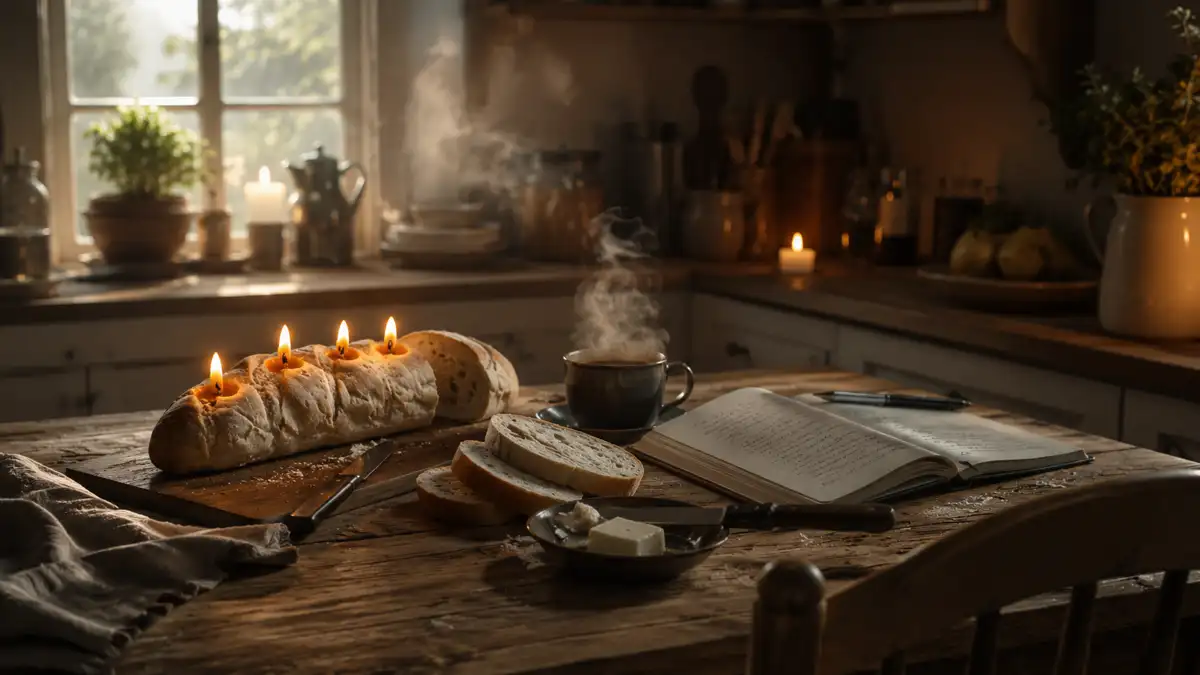
Among the candles built around this idea, Homesick Fresh Baked Bread Candle is one example that tries to recreate the quiet comfort of an early-morning bakery rather than simply the smell of fresh bread.
Once brands realized people weren’t simply buying scents—they were buying emotions and familiarity—the idea naturally expanded beyond candles and home fragrances.
The same emotional language began appearing in perfumes inspired by coffee, vanilla desserts, fast food, and even fried chicken. These fragrances aren’t really trying to make people smell edible; they’re trying to recreate the comfort, curiosity, and memories associated with everyday experiences.
That quiet shift is part of what led us to explore the growing world of food-inspired fragrances in “Why Do Weird Food Perfumes Exist? Inside the Strange World of Food-Inspired Fragrances.“
It smells like something is about to happen. And for a second, that feels like enough.
Supermarket Nights and Artificial Light
Why would anyone want a room to smell like a supermarket late at night?
It sounds like an oddly specific idea, yet the feeling is surprisingly recognizable. The bright fluorescent lights. The polished floors. Shelves that are still full, even though the crowds have disappeared.
It’s a place that isn’t meant to feel emotional at all, and perhaps that’s exactly why it does. There are fragrances inspired by this kind of space too, often grouped under “urban” or “industrial” scent profiles.
A good example is Maison Margiela Replica Bubble Bath Candle, which evokes a similarly familiar atmosphere, even though its inspiration is more abstract than literal.
It’s not about smelling good. It’s about smelling familiar in a way that is slightly disconnected from comfort.
The Smell of Something New
Then there is the smell of new things.
Unboxing a device. Peeling plastic film. Opening cardboard that has never been opened before.
It is not a natural smell. But it is very specific.
Almost like a manufactured version of anticipation.
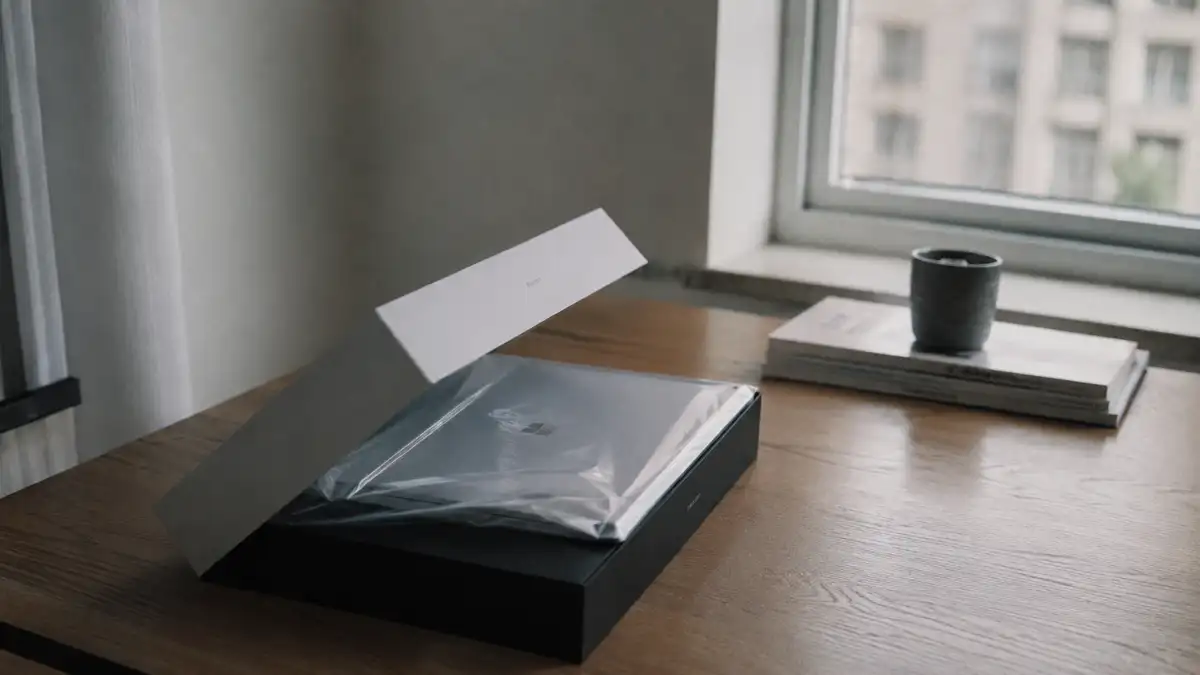
Even objects that aren’t designed around fragrance can carry the same emotional weight. One example is the Dyson Airwrap Multi-Styler, whose appeal often begins with the anticipation and possibility wrapped into the experience of opening something brand new.
For a brief moment, opening something new still carries the quiet promise that it might change something, even if experience tells us it probably won’t.
Memory Was Never the Product
Perhaps that explains why so many scented objects today are no longer competing on fragrance alone, they compete on recognition. Very few people choose a candle because it smells technically “better” than another. They choose it because, for a brief moment, it feels familiar.
A bakery they’ve never visited somehow reminds them of childhood. A library they’ve never entered feels strangely comforting. A rainy street in another city feels like one they once walked through years ago.
Memory doesn’t ask whether something actually happened, it only asks whether it feels close enough.
Perhaps that’s why these objects continue to resonate. They’re not trying to recreate the past with perfect accuracy.
They’re simply giving people a place to meet it again.
Why These Objects Exist
The strange part is not that these objects exist. It’s that they work at all.
Not in a literal or perfect sense, but emotionally, they often come surprisingly close.
They don’t recreate memory in a precise way. They recreate the feeling of almost remembering something.
And maybe that is closer to how memory actually works than we like to admit.
Because most of what we remember is not clear.
Because most memories are never completely clear. They exist as atmosphere rather than facts—half-formed impressions, scents without a source, feelings without an explanation, and moments that feel familiar without revealing exactly why.
And perhaps that’s what these objects are really selling.
Not fragrance.
Not nostalgia.
But the possibility of recognition.
A scent catches you off guard, and for a moment, a place, a season, or a version of yourself quietly returns—not in perfect detail, but with just enough clarity to feel real.
Perhaps that’s why people keep collecting these objects. They aren’t trying to preserve the past so much as preserve the feeling that the past once existed.
Maybe memories were never as intangible as they seem.
Maybe we simply forgot they could linger in the air.